Dorm Room Dreams: How College Students Are Squeezing Real Acoustic Pianos Into Tiny Spaces
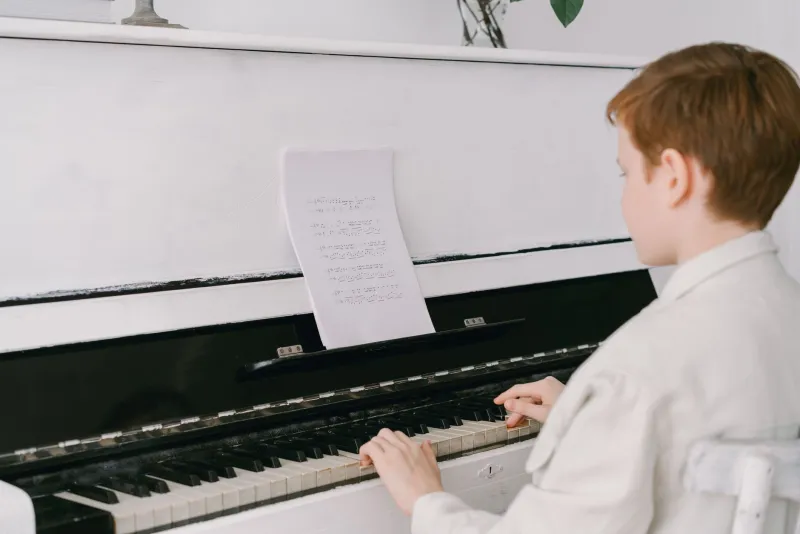
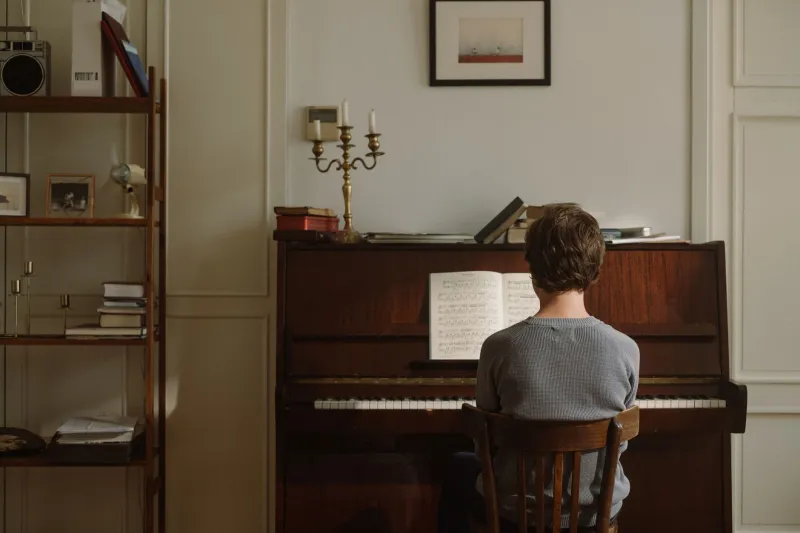
Walk through the residential halls at any major university these days and you might hear something unexpected drifting through the cinder block walls — not a Spotify playlist, not a gaming soundtrack, but actual piano keys being pressed, hammers hitting strings, the warm resonance of an acoustic instrument doing what it was built to do.
College students are bringing acoustic pianos to school. Not digital keyboards. Not MIDI controllers. Real, weighted, string-and-hammer acoustic pianos. And they're making it work in spaces roughly the size of a generous walk-in closet.
This isn't just a quirky trend. It's a full-on logistical hustle, and the students driving it are more resourceful than you might expect.
Why Digital Just Doesn't Cut It Anymore
Ask any of these students why they didn't just bring a digital piano and the answer comes fast. "I tried a keyboard for two semesters," says Maya, a sophomore music major at the University of Michigan. "The feel is completely different. I was losing technique I'd spent years building. It felt like practicing swimming on dry land."
That sentiment comes up again and again. Digital instruments have gotten genuinely impressive — and we've said as much in previous coverage here at PianStore — but for students who grew up playing acoustic, the tactile difference is hard to shake. The resistance of the keys, the natural decay of the sound, the way the whole instrument vibrates slightly when you play a full chord — those things matter to serious players.
So instead of compromising, they're getting creative.
The Space Math: What Actually Fits
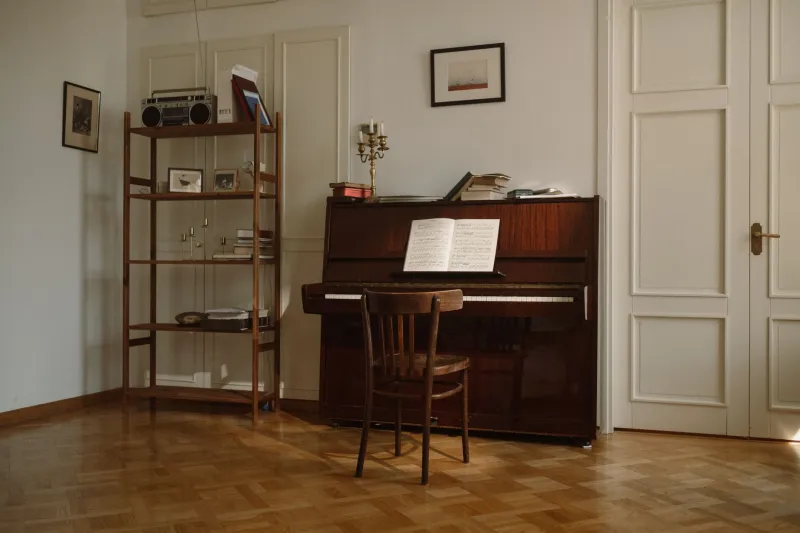
Most traditional upright pianos run between 48 and 52 inches tall and about 58 inches wide. That's not exactly compact. But the category known as "spinet" pianos — shorter uprights that typically max out around 40 inches in height — can squeeze into surprisingly tight corners.
Students are also gravitating toward older, smaller uprights from the mid-20th century, which were often built with apartment living in mind. These instruments, many of which were manufactured by American brands like Wurlitzer and Kimball, can sometimes be found for a few hundred dollars on Facebook Marketplace or Craigslist and moved with a small truck rental and a couple of strong friends.
"I got a 1962 Wurlitzer spinet for $350," says Jordan, a junior at Ohio State living in an off-campus apartment. "It fits against one wall in my living room and I still have space for a couch and a coffee table. People walk in and lose their minds that I have a real piano."
The key is measuring before committing. Wall space, doorway width, stairwell clearance — all of it matters. More than a few students have learned the hard way that a piano that fits in the room doesn't necessarily fit into the room.
Dealing With Noise: The Acoustic Treatment Hustle
Having a piano is one thing. Being allowed to keep it is another.
Noise is the biggest obstacle. Acoustic pianos aren't quiet instruments, and most apartment leases and dorm policies have something to say about sound levels. The workaround students are using involves a combination of physical dampening and smart scheduling.
Heavy rugs under the instrument absorb vibration from the floor. Moving blankets draped over the back of the piano — tucked against the wall — reduce how much sound bounces around the room. Some students have gone further, building DIY acoustic panels from materials sourced at Home Depot: rigid fiberglass insulation wrapped in fabric and mounted on the walls around the piano's position.
For dorm situations where a full acoustic isn't possible, a handful of universities have started responding to student demand by designating practice rooms with acoustic uprights available around the clock. "We added two additional practice rooms with acoustic pianos last year specifically because students were asking for it," says a residential life coordinator at a mid-sized state university in the Midwest who asked not to be named. "The demand surprised us."
The Landlord Conversation Nobody Expects to Have
For students in off-campus apartments, negotiating with landlords has become part of the process. And it turns out, more landlords are open to it than you'd think.
The pitch usually goes something like this: the student offers to have the piano professionally inspected before move-in to document its condition, commits to placing it on rubber casters to protect the floors, and agrees to remove it at their own expense when the lease ends. Some students have even offered a small additional deposit.
"I was fully prepared to be told no," admits Priya, a piano performance major at NYU living in a Brooklyn apartment. "My landlord actually said he thought it was cool. He asked if he could hear me play sometime."
Not every conversation ends that warmly, but the students who approach it professionally — with written documentation and a clear plan — report a much higher success rate than they expected.
Moving It Without Breaking It (or Yourself)
Piano moving is its own specialized skill, and students are learning quickly that it's not a job for amateurs. A dropped spinet can crack the soundboard, damage the legs, or throw the entire instrument out of tune in ways that are expensive to fix.
Several piano moving companies in college towns have started offering student rates, particularly for small uprights. It's worth calling around and being upfront about the situation — many movers appreciate the honesty and some will work with tight budgets.
For students handling it themselves, the non-negotiable is a proper piano dolly. Trying to slide or carry an acoustic piano without one is how you end up with a broken instrument and a back injury.
Is It Worth the Effort?
For the students doing it, the answer is an unambiguous yes. There's something about the presence of a real acoustic piano in your living space that a keyboard on a stand simply doesn't replicate — not just in sound, but in the way it shapes your relationship with the instrument.
"I practice more now than I ever did at home," says Maya. "Having it right there, no headphones required, no plugging anything in — I just sit down and play. It's changed everything about how I approach music."
That kind of frictionless access to a real instrument might be the best argument of all. If you're a college student who's serious about piano, the logistics are real but they're solvable. And the payoff — in technique, in musicality, and honestly in quality of life — is hard to put a number on.