Press Play on the Furniture: A Straight Answer on Player Piano Systems in 2025
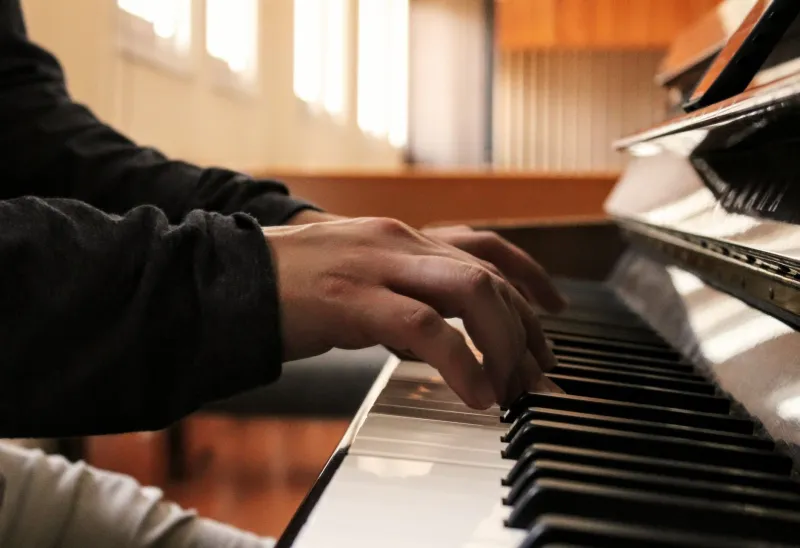
There was a time when the player piano was a parlor gimmick — a roll of punched paper, a cranky pneumatic mechanism, and a sound that was charming in the way that only approximations can be. That era is over. Today's player systems are precision instruments that reproduce performances with startling accuracy, and they've quietly become one of the most requested features in American piano showrooms.
If you're shopping for an acoustic piano this year, you're going to run into the question: should yours come with the self-playing option? Here's how to think it through.
Two Roads to a Self-Playing Piano
Factory-installed systems come built into new pianos from major manufacturers, integrated at the factory with the action design. They're seamless, warrantied as part of the instrument, and usually controlled by a slim app. The trade-off: you're committing at purchase time, and the bundle adds meaningfully to the sticker price.
Retrofit systems can be installed in pianos you already own — most quality acoustics, new or used, can accept one. Brands like Yamaha (Disklavier-grade territory at the top, with more accessible options below) and third-party specialists such as PianoDisc and QRS PNOmation dominate this space. A retrofit typically runs somewhere in the $4,000–$10,000 installed range depending on features, with factory integration on new instruments climbing higher from there.
A quick sanity check before anyone gets sticker shock: a good player system often costs less than the piano it's installed in, and it effectively gives you two instruments — a fine acoustic piano and a concert-hall-caliber reproducing system — in one footprint.
The Feature Nobody Advertised: Recording Yourself
Here's the use case that's driving a surprising share of sales, and it's not the novelty of watching keys move. Modern player systems record. Every nuance of a live performance — hammer velocities, pedal work, timing — can be captured at playback fidelity and replayed on the same instrument.
For serious students and adult learners, that's a practice tool of absurd power. Record your run-through, walk away, come back and listen to yourself with fresh ears. Compare last month's recording to this month's. For teachers, it means sending a student home with an actual recording of their lesson performance rather than a memory of one.
And for families? This is where things get sentimental in the best way. The holiday scene playing out across American living rooms right now looks like this: Grandpa plays the carol medley he's played for fifty years, the system records it in full fidelity, and that performance becomes a family artifact — replayable on the same piano long after, or sent to cousins in Seattle and grandparents in Mumbai. Streaming-era households are also using playback for everything from dinner parties to background music during remote lessons, where a teacher can send a recording of their own hands for a student to watch reproduce on their own keys at home. Remote piano lessons with distant relatives as an audience have quietly become a real thing.
What About Resale?
The old fear — that electronics in a piano hurt resale — has largely inverted. A well-maintained, name-brand player system is now a selling point on the used market, particularly for family buyers who want the acoustic instrument plus the entertainment capability. The caveats: keep the system updated, keep documentation, and use a reputable installer for retrofits. A no-name system with dead app support is the exception that gives the category a bad name.
The Honest Downsides
Fairness requires the list. Player systems add complexity and one more thing to service. Playback, even at its best, is a reproduction — the room-filling presence of a live pianist isn't fully replicable by any mechanism. And if you buy a factory system on an entry-level instrument, you may be better served by a better piano without the electronics. The standard advice holds: spend as much as you can on the acoustic instrument itself, then add the technology.
The Bottom Line
Buy the player option if any of these describe you: you host, you have family spread across the country, you're a student who'd benefit from hearing your own performances, or you simply want the piano to be the living heart of the house even on days when nobody's at the bench.
Skip it if you're a purist on a budget — a great acoustic piano alone is still a great acoustic piano, and nothing plays it better than you will.
Either way, sit down at one and watch the keys move before you decide. Everyone does. It never gets old.